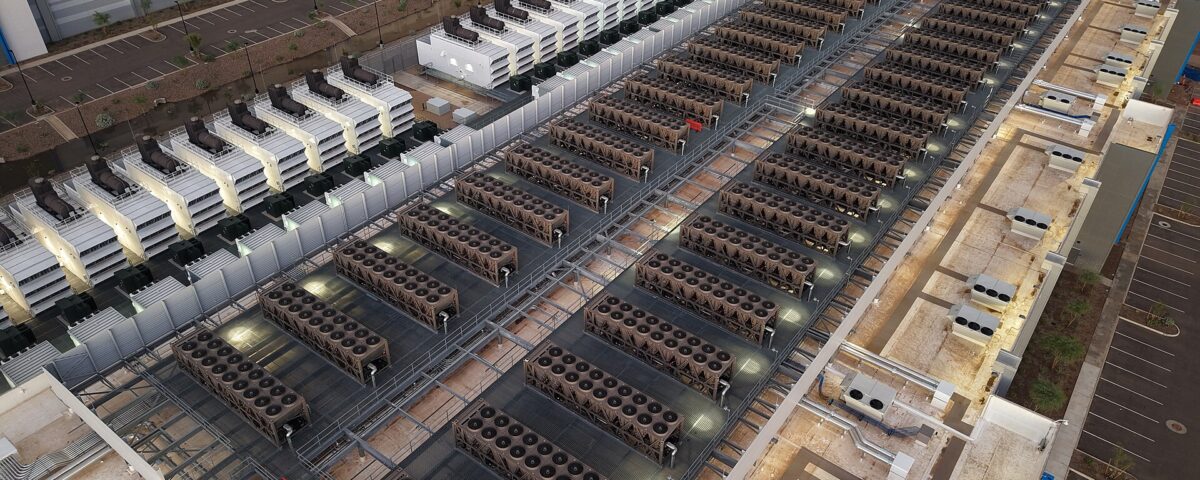
The North American Electric Reliability Corporation (NERC) has issued a rare Level 3 alert, addressing the immediate risks that large data centers and heavy computational loads pose to the bulk power system.
As the highest level of warning issued by the grid authority, the move marks a major turning point for how the energy industry views the link between technology infrastructure and power stability.
Why Data Centers Threaten the Power Grid
The rapid growth of artificial intelligence and crypto mining has transformed technology facilities into massive, unpredictable electrical loads. Unlike traditional industrial facilities, data centers currently lack standard requirements to stay online during minor grid disturbances.
A minor voltage flicker can cause thousands of megawatts to shut down instantly, exposing dangerous weaknesses in the power grid. When gigawatts of computer power disconnect all at once, it creates a massive shock that threatens widespread blackouts.
This NERC Level 3 alert completely changes how we view large-scale tech infrastructure. Data centers are no longer seen as quiet, passive users of electricity. Instead, they are now viewed as major players that directly control and impact grid stability.
Key Strategies for System Stability
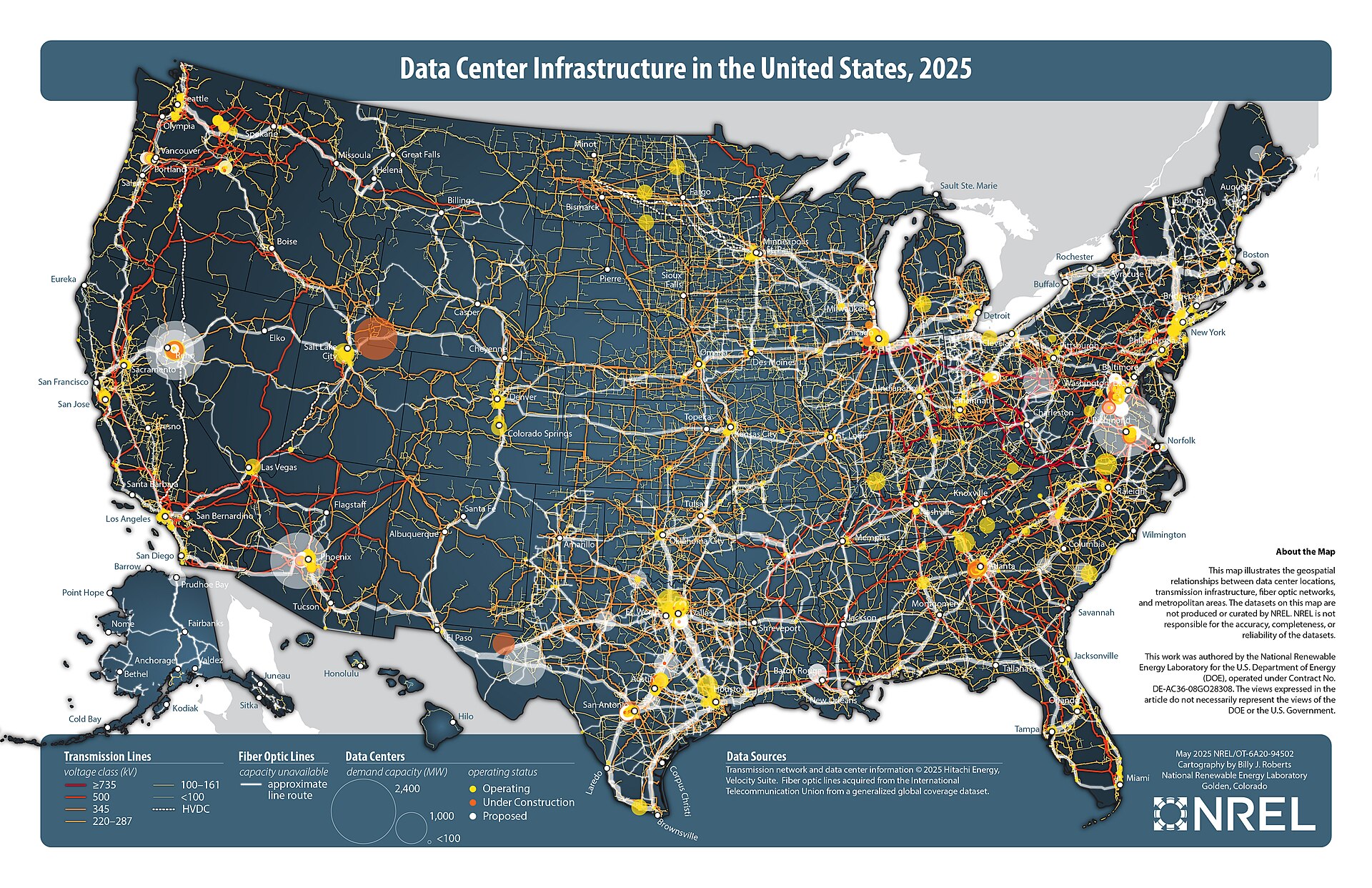
Summer peak demand across the main power grid is expected to jump 24% over the next 10 years. To keep sudden power drops from causing widespread blackouts, NERC’s urgent warning is pushing utility companies and tech operators to take immediate action.
1. Standardized Data Collection and Modeling
Modeling requires data centers to provide highly detailed technical specifications rather than generic load estimates. Operators must submit exact parameters, including low-voltage trip thresholds, uninterruptible power supply (UPS) transfer logic, battery backup transition behaviors, and real-power ramp-up rates when reconnecting to the grid.
Coordinators are advised to collect data from computational loads such as the expected minimum and maximum consumption in megawatts and the percentage of IT load vs. non-IT load (such as cooling systems), at various load levels.
2. Advanced System and Stability Studies
Engineering studies help to understand how sudden loss of computation affects regional frequency and voltage stability. Planners must run comprehensive stability studies for areas dense with data centers.
Rather than assuming steady power draw, studies must instead model dynamic scenarios. This includes what happens to the grid when server clusters simultaneously drop offline or transition to backup generation during a minor fault.
3. Broadened “Qualified Change” Triggers
Planning Coordinators must update their criteria for what constitutes a “qualified change”. This means any significant expansion of computing capacity, modification of internal power distribution units, or repurposing a facility (such as shifting from standard data storage to AI training) automatically triggers a mandatory reliability review.
4. Formalized Commissioning Processes
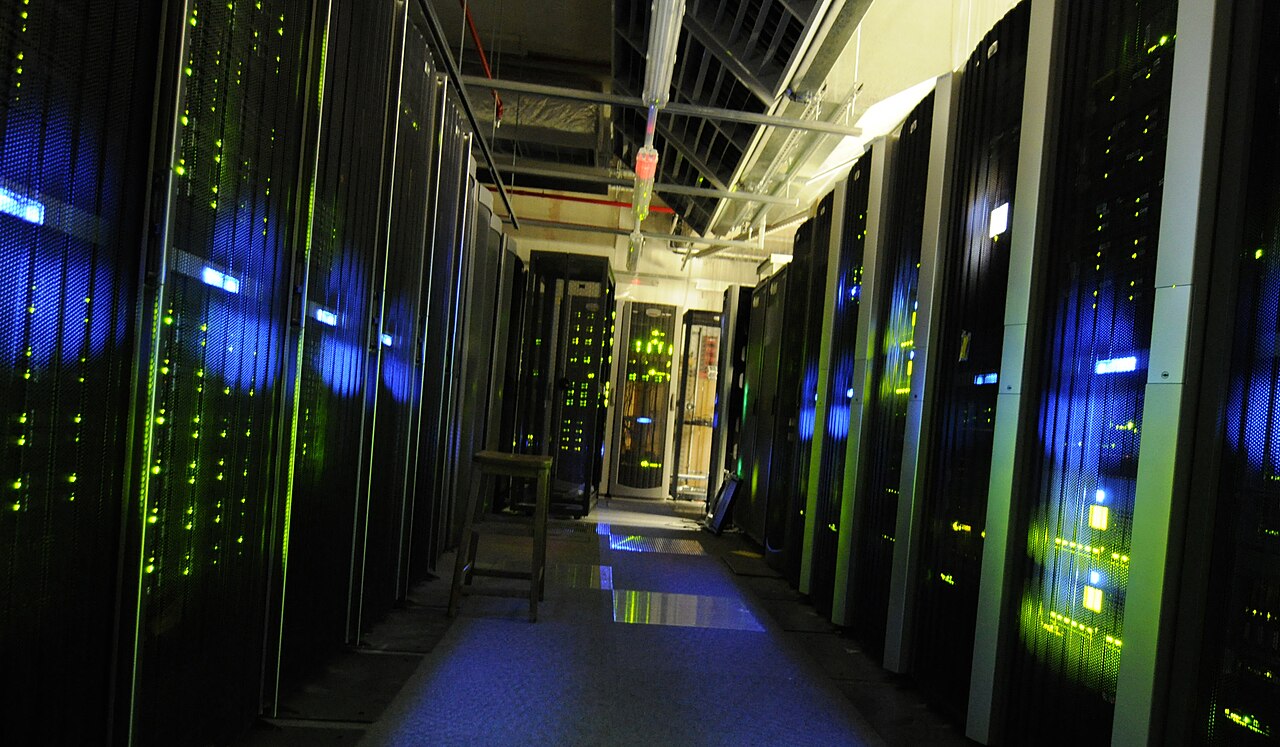
A structured pre-energization commissioning process for data center infrastructure must be established. Commissioning ensures that what is built on-site matches what was submitted on paper during the planning phase. This involves verifying equipment performance, testing model accuracy, and coordinating safety checks with nearby generation facilities before a data center is officially allowed to draw power.
The commissioning process should include testing facilities at full load and at no load, and, if possible, with at least a 10% change from nominal voltage.
5. System-Side Corrective Actions and Ride-Through Capabilities
Precautions must be taken to prevent data centers from prematurely tripping offline during minor, normal grid disturbances. Grid operators are responsible for implementing protective measures to ensure that normally cleared faults (like a momentary lightning strike on a transmission line) do not trigger mass automated disconnections by data center protection schemes. Facilities are pushed to adopt “ride-through” capabilities similar to what is required of wind and solar farms.
6. Deployment of Dynamic Fault-Recording Devices
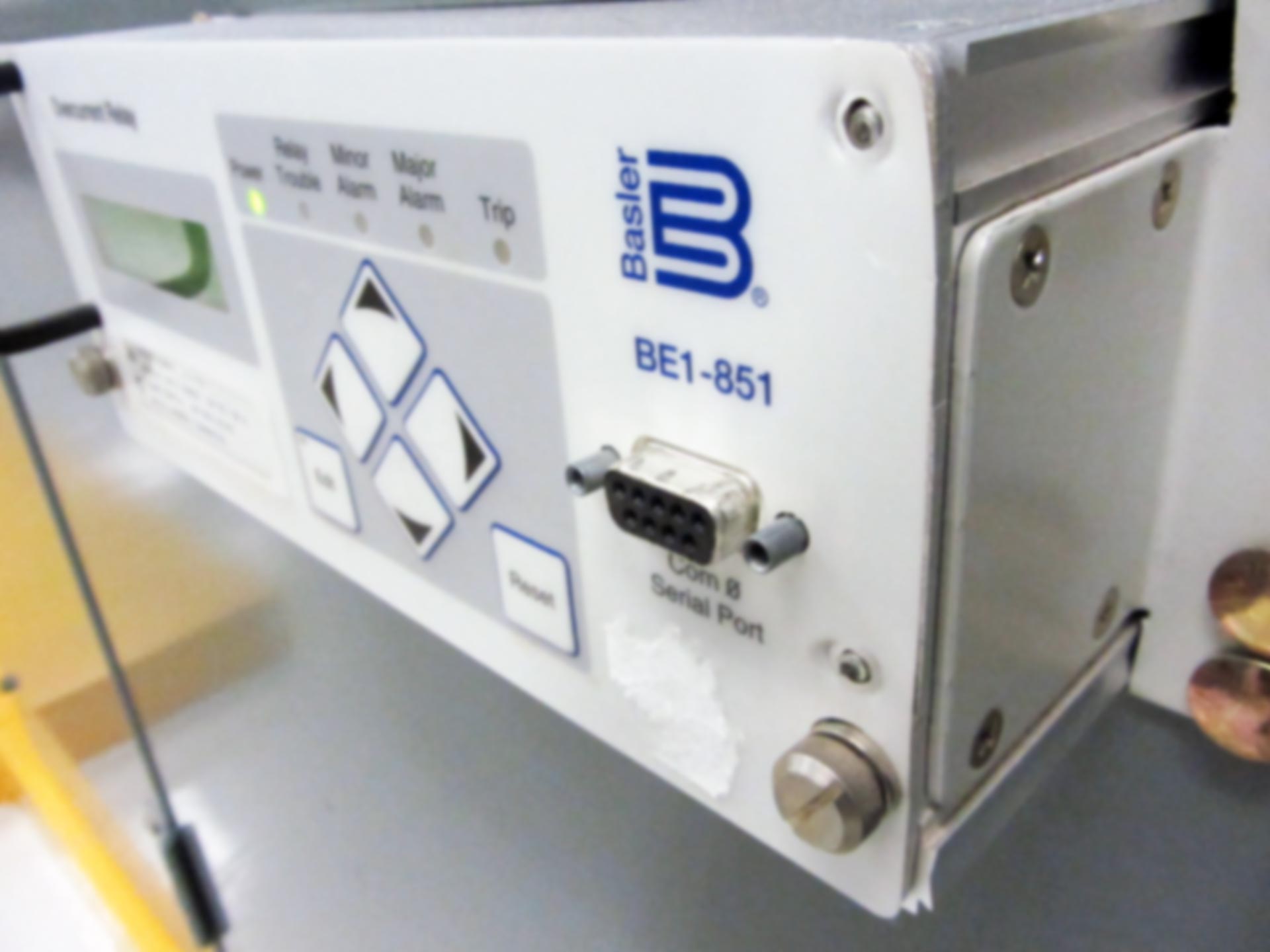
Forensic data is key when things go wrong. High-speed measurement and recording devices must be installed at or near large load interconnections. These devices capture rapid electrical fluctuations (several samples per second) so engineers can analyze exactly how a data center reacted during a system disturbance.
7. Eliminate Communication Blackouts
Transmission Operators and Balancing Authorities must set up direct, real-time communication pathways with data center control rooms. This improves situational awareness during both planned maintenance and sudden grid emergencies, allowing operators to coordinate actions rather than getting caught by surprise.
Conclusion
The meeting point of the tech boom and energy infrastructure has officially reached a critical crossroads. NERC’s Level 3 alert clearly shows that the era of fast, uncoordinated, and unregulated power growth is over.
Artificial intelligence and high-performance computing continue to scale at an unprecedented rate. By quickly adopting mandatory rules to stay online during blips, improve grid monitoring, and facilitate teamwork, regulators and tech operators can ensure that the digital revolution powers forward without leaving the lights out.
Further Reading
- NERC Level 3 Computational Load Alert
- NERC Sounds the Alarm that Data Centers Risk Overtaxing the Grid
- NERC Issues Level 3 Alert Over Data Center Load Losses
- What a NERC Level 3 Alert Means for Data Center Owners
 With over 20 years of experience in power systems testing and maintenance, I am a seasoned professional dedicated to enhancing operational efficiency. I excel in improving processes, systems, tools, research, training, and technology implementation. Contact me to see how we can keep your systems running at peak performance.
You may also like...
- Improving Cybersecurity in the Electrical Power Distribution Industry with Blockchain
- Next-Generation Substation Technology: Centralized Protection and Control
- Robotic Inspection Systems for Electrical Transmission and Distribution
- Protecting Critical Electrical Infrastructure from Attack
- Data security tips for testing agencies and the clients they serve