The industrial cyber threat landscape has irreversibly shifted this past year after numerous high profile attacks on the electrical grid caused millions of dollars in damages and left tens of thousands of people without power for several days. As a result, heightened attention is required to prioritize physical security and industrial networks with a focus on secure data protocols.
Strategies for Reducing Load Interruptions During Electrical Maintenance
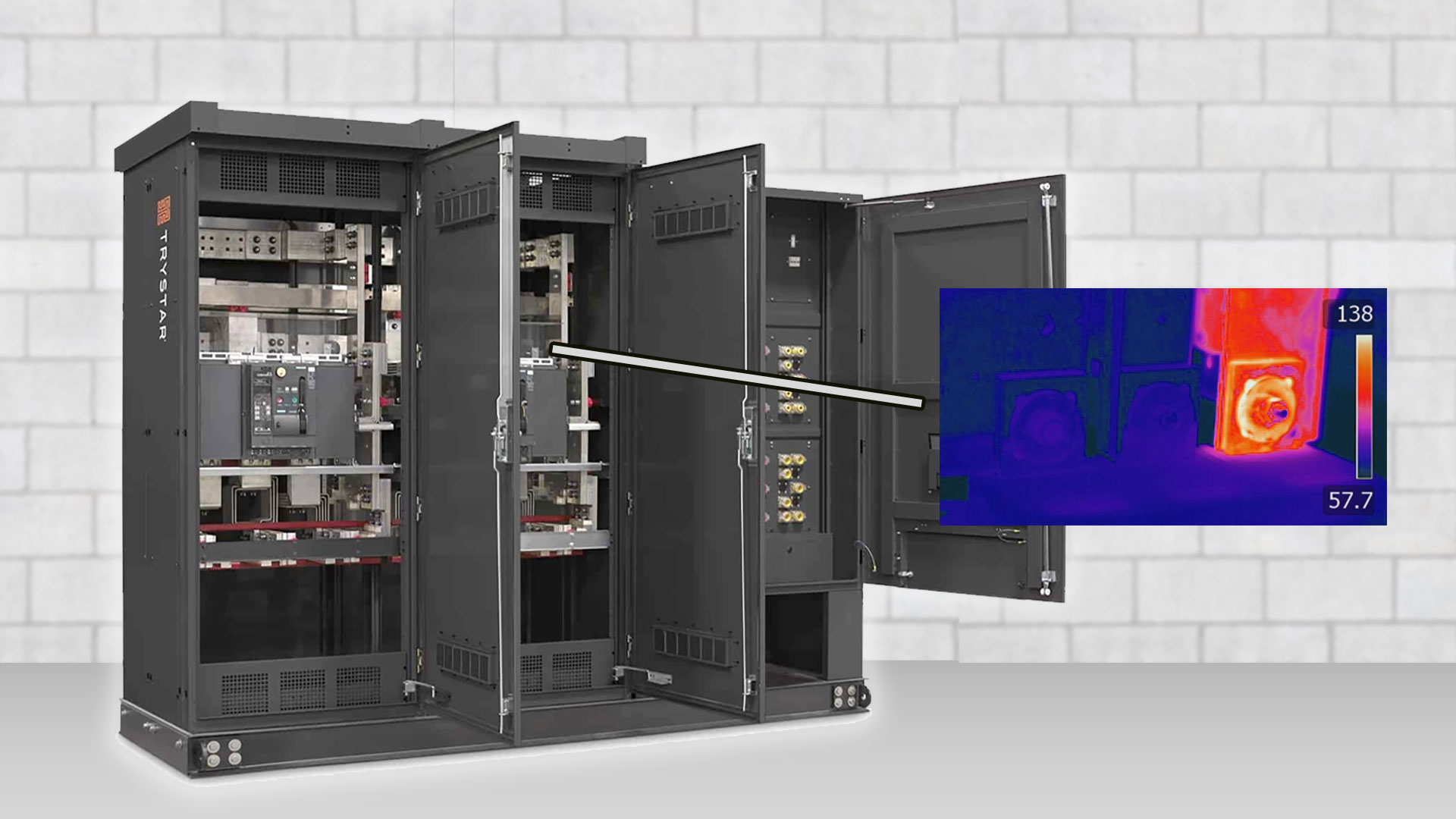
Careful planning and design is crucial for ensuring that electrical maintenance work can be performed without the need for load interruptions. This allows some parts of an electrical distribution system to remain energized while maintenance is being performed, resulting in minimal disruption to the power supply and a reduction in downtime.
Teaching ChatGPT to Analyze Test Results
As a language model, ChatGPT generates text based on patterns it has learned from the data it was trained on. Once you teach something to ChatGPT, it will be stored in the model’s memory and will be available for everyone who uses it. Let’s see if we can teach it to analyze circuit breaker contact resistance values in accordance with NETA standards.
Bitcoin Mining and the Potential Energy Crisis

The amount of electrical load crypto miners are expected to add to the Texas grid over the next four years represents nearly a third of its current maximum capacity. Nearly 10 mining operations have been connected so far and consume more than 27 gigawatts of load.
Protecting Critical Electrical Infrastructure from Attack
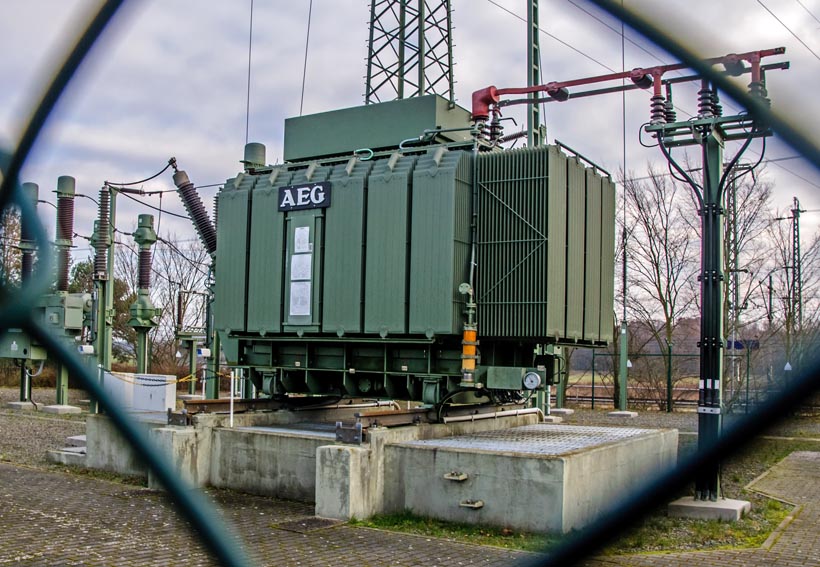
Utility substations and power distribution equipment are attractive targets for malicious actors looking to cause widespread harm to critical infrastructure. Damage or disruption to these facilities can have wide-ranging consequences to society and the economy in repairs, fines, and other expenses.
Monitoring the Condition of Power Systems with Non-Destructive Test Techniques
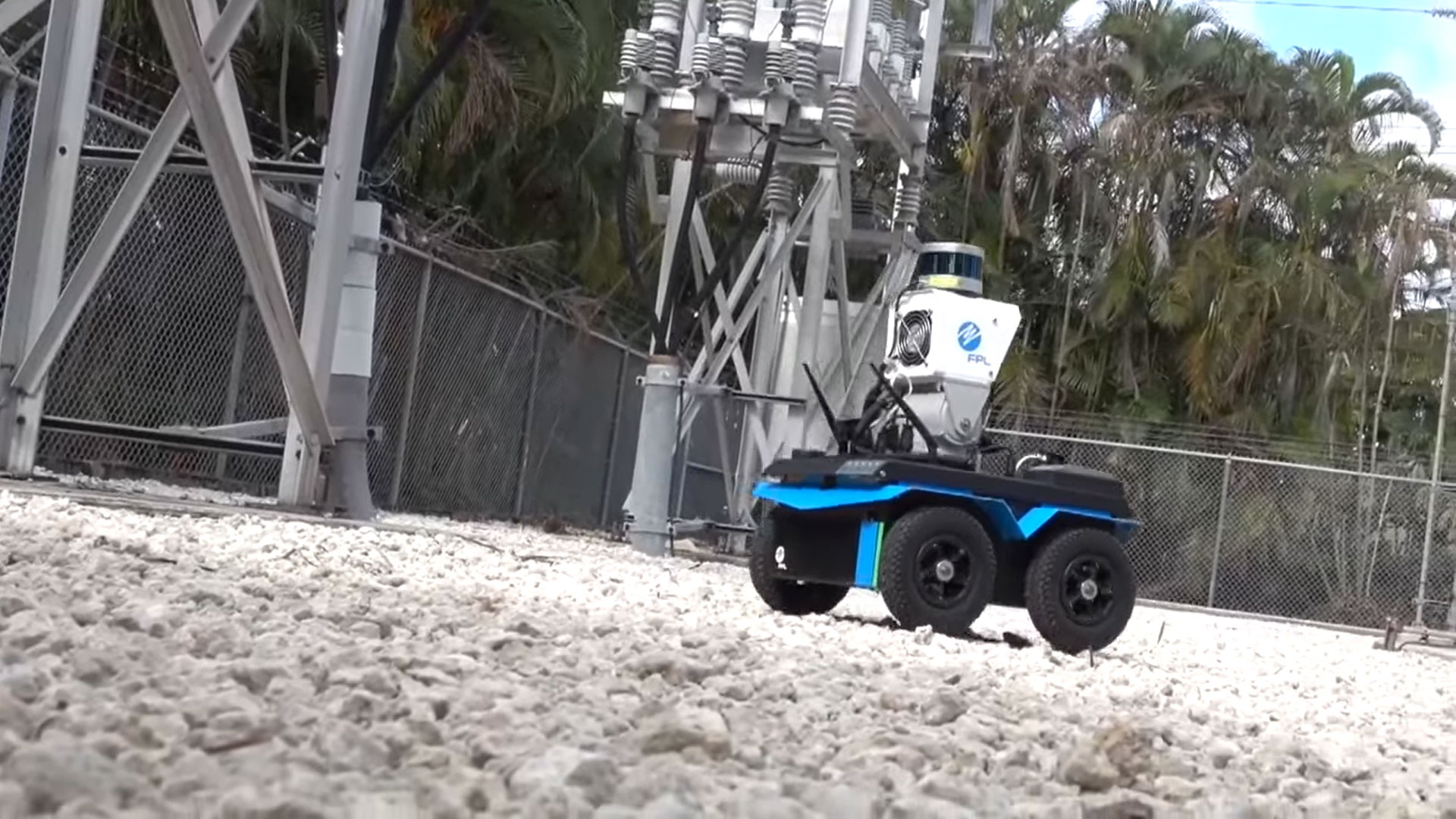
Non-destructive testing is the act of taking measurements while electrical systems remain energized at power frequency to assess potential problems before they arise. The main benefit of non-destructive testing is that it allows an asset owner to find problems that they may have not suspected and prioritize their maintenance plan, which is critical in order to minimize downtime and focus technical resources efficiently.
SF6 Gas Alternatives for a Sustainable Energy Future
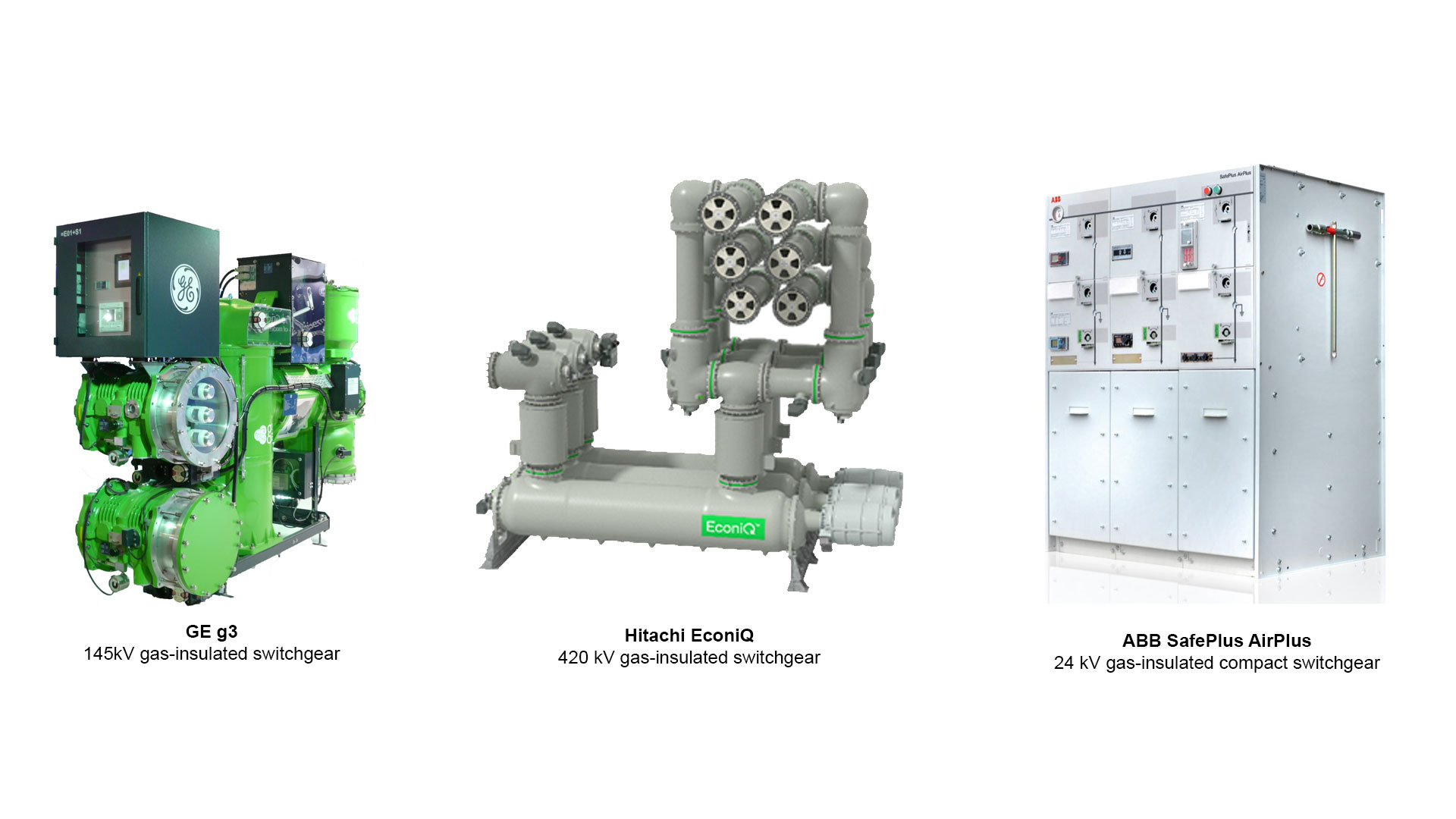
The climate impact of SF6 gas has led to a steady increase in demand for eco-friendly alternatives as part of a consorted effort to minimize the use of greenhouse gasses. The most popular options are purified air and gas mixtures that both provide minimal climate impact when compared to SF6.
Robotic Inspection Systems for Electrical Transmission and Distribution
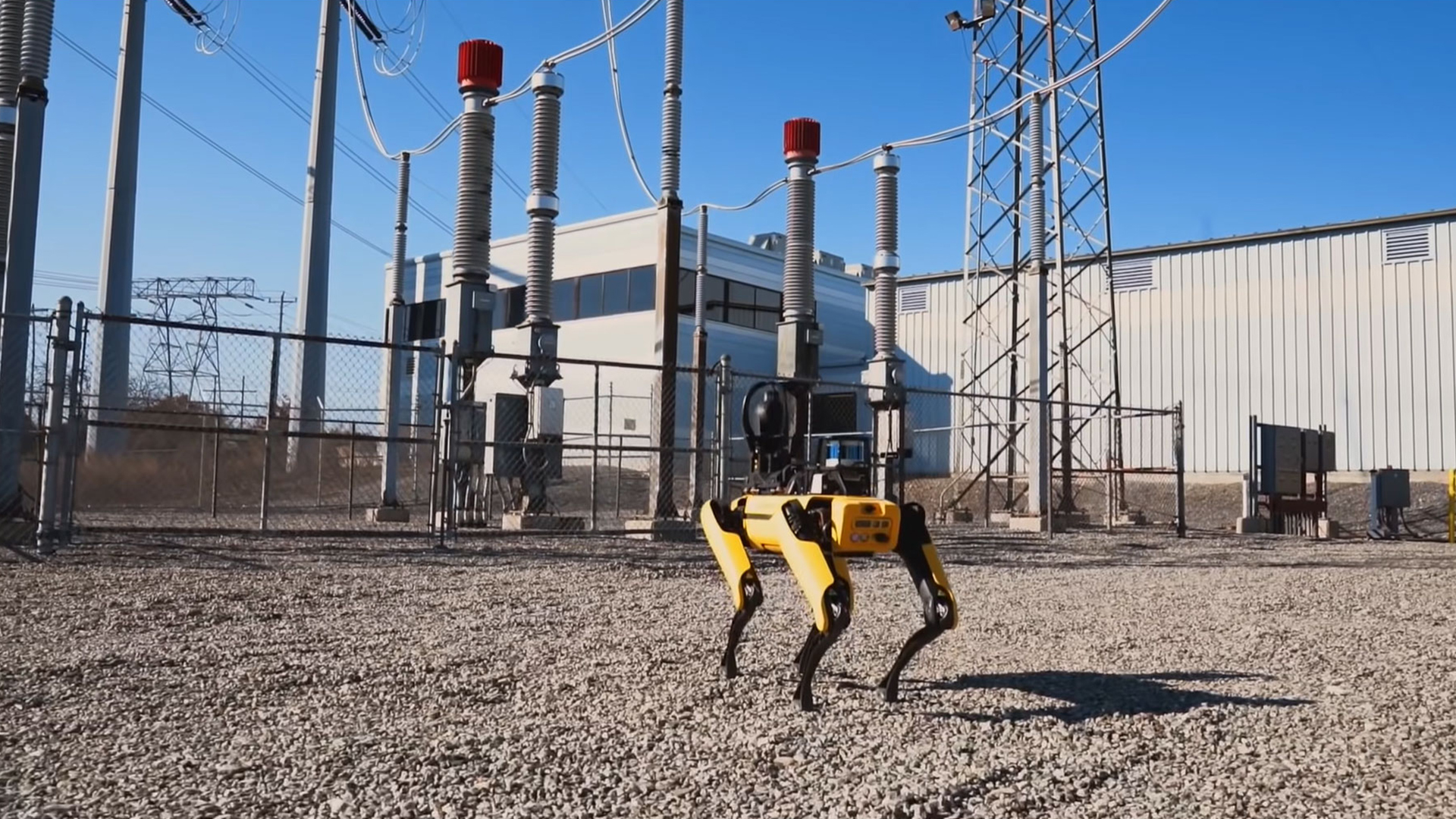
The use of advanced robotic technology is rapidly making waves across the electric utility sector, taking on extreme tasks, conducting precise maintenance, and making hard-to-reach areas more easily accessible for service technicians. Broader developments in machine learning, automation, and digital imaging have turned once simple machines into extremely versatile tools for the power industry.
Why insulation resistance trending may be your best predictor of electrical failure
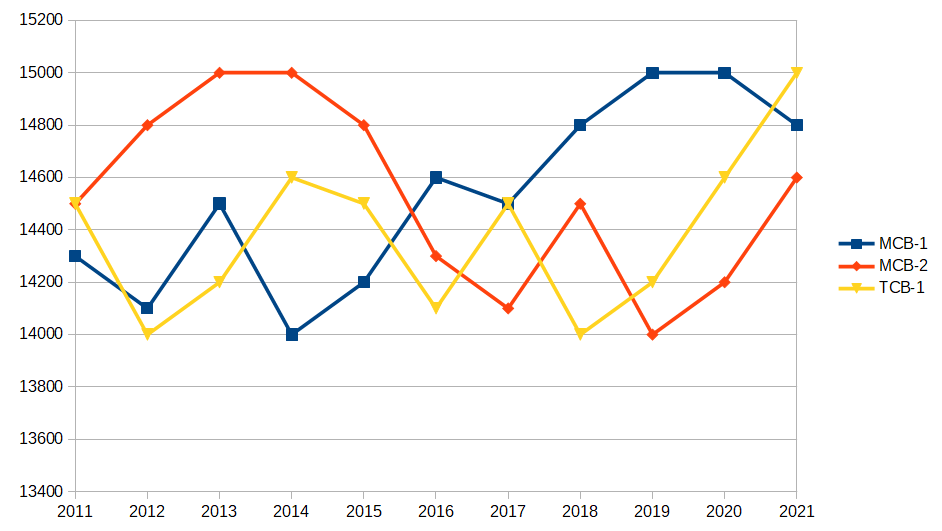
One of the leading causes of failure in power distribution equipment is the breakdown of electrical insulation. When checked periodically over time, a gradual drop in insulation resistance should give maintenance technicians plenty of warning before failure.
Projects focused on renewable energy optimization are poised to disrupt the traditional marketplace
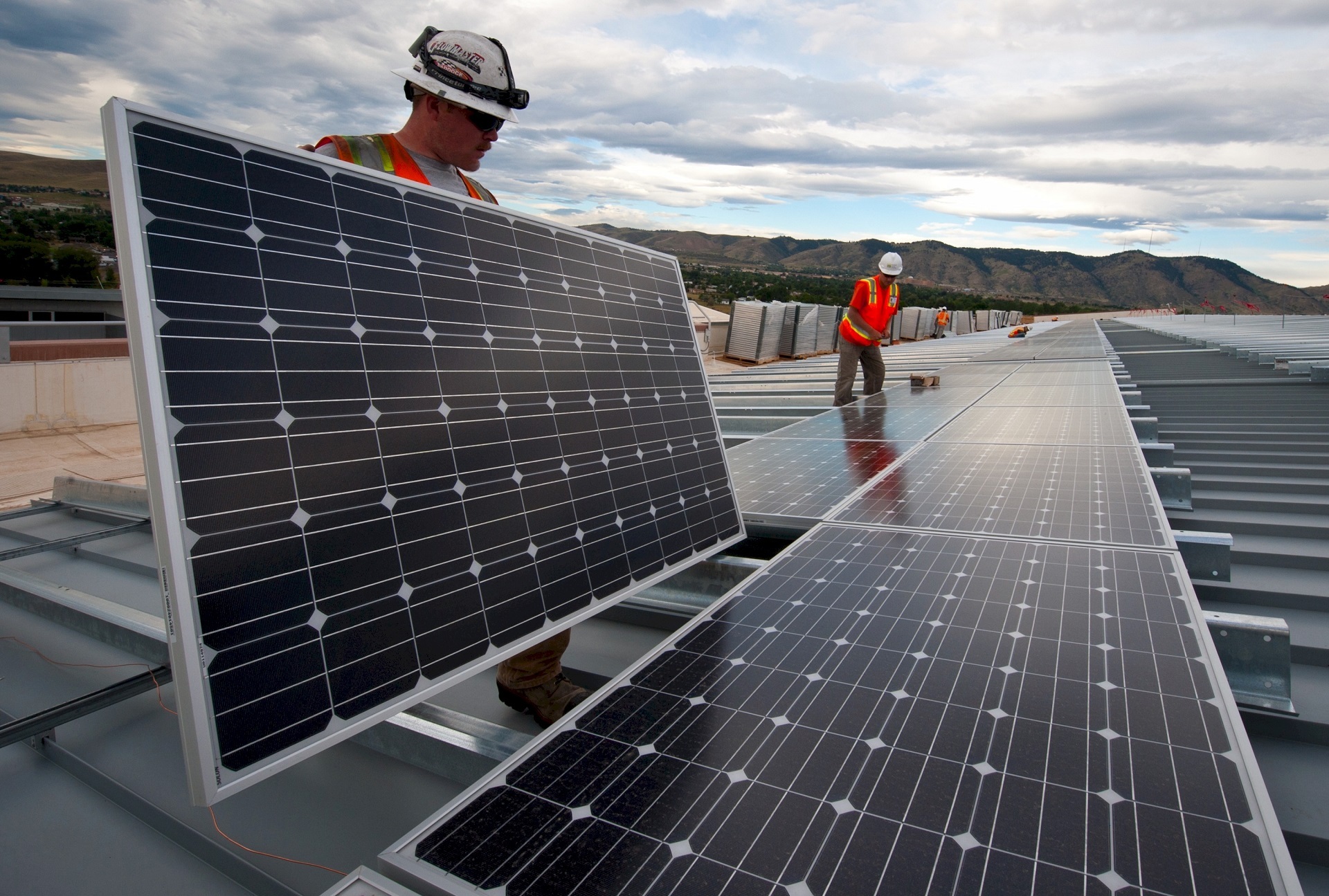
There is now a movement to develop and deploy open-source decentralized technologies and standards to meet global requirements for establishing identity, enforcing rules, and facilitating transactions between billions of DERs, customers, utilities, service providers, and grid operators. While greater emphasis is placed on energy conservation and efficiency, the traditional markets are primed for change.
Securing Test Data and Creating Immutable Trust with File Validation Over Blockchain
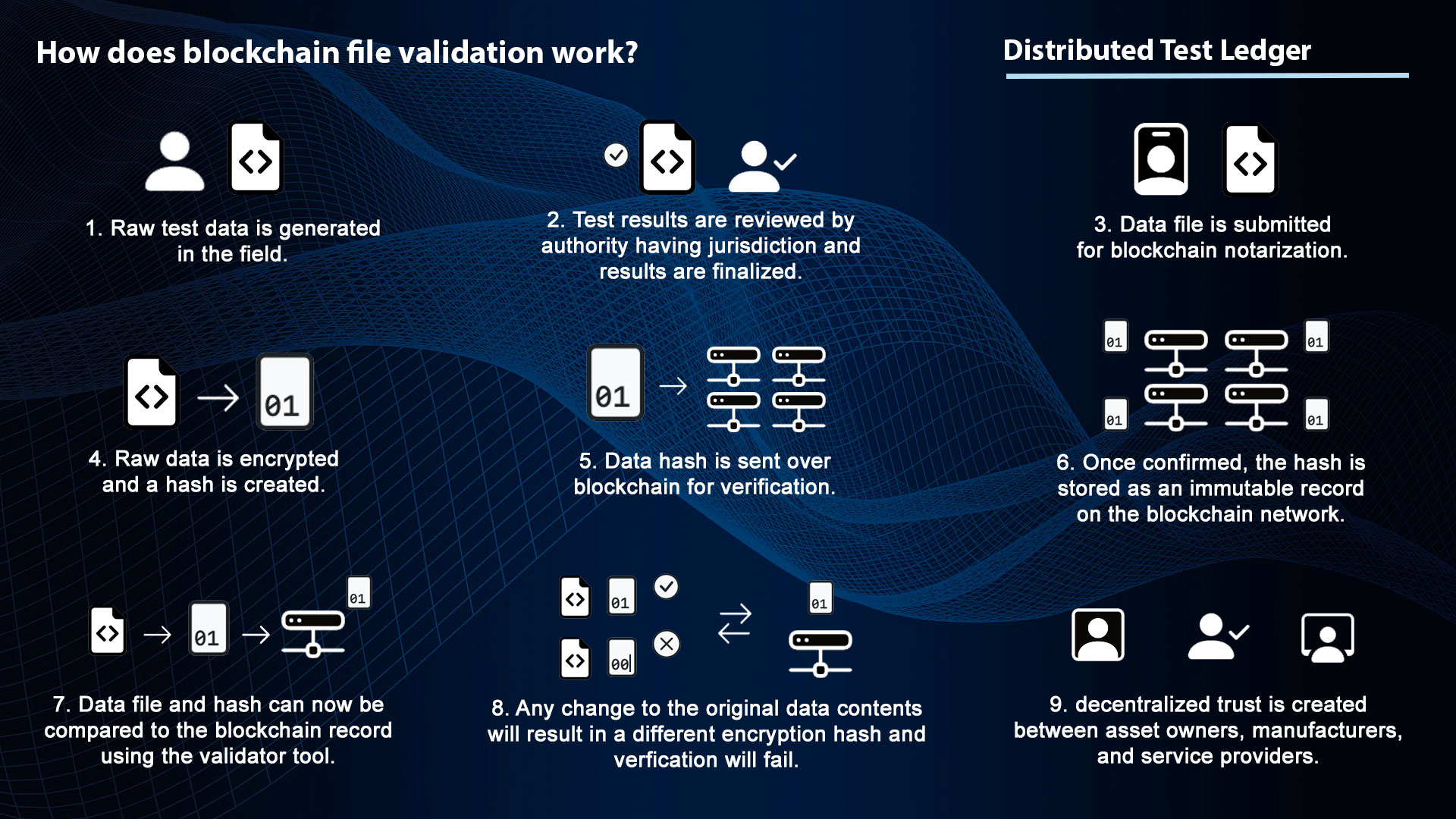
For liability and litigation, test reports can hold a wealth of information but are easily changed without the proper oversight in place. Blockchain networks can be used to create decentralized trust between asset owners, manufacturers, and service providers.
Transforming old ways of exchanging test data with Distributed Ledger Technology
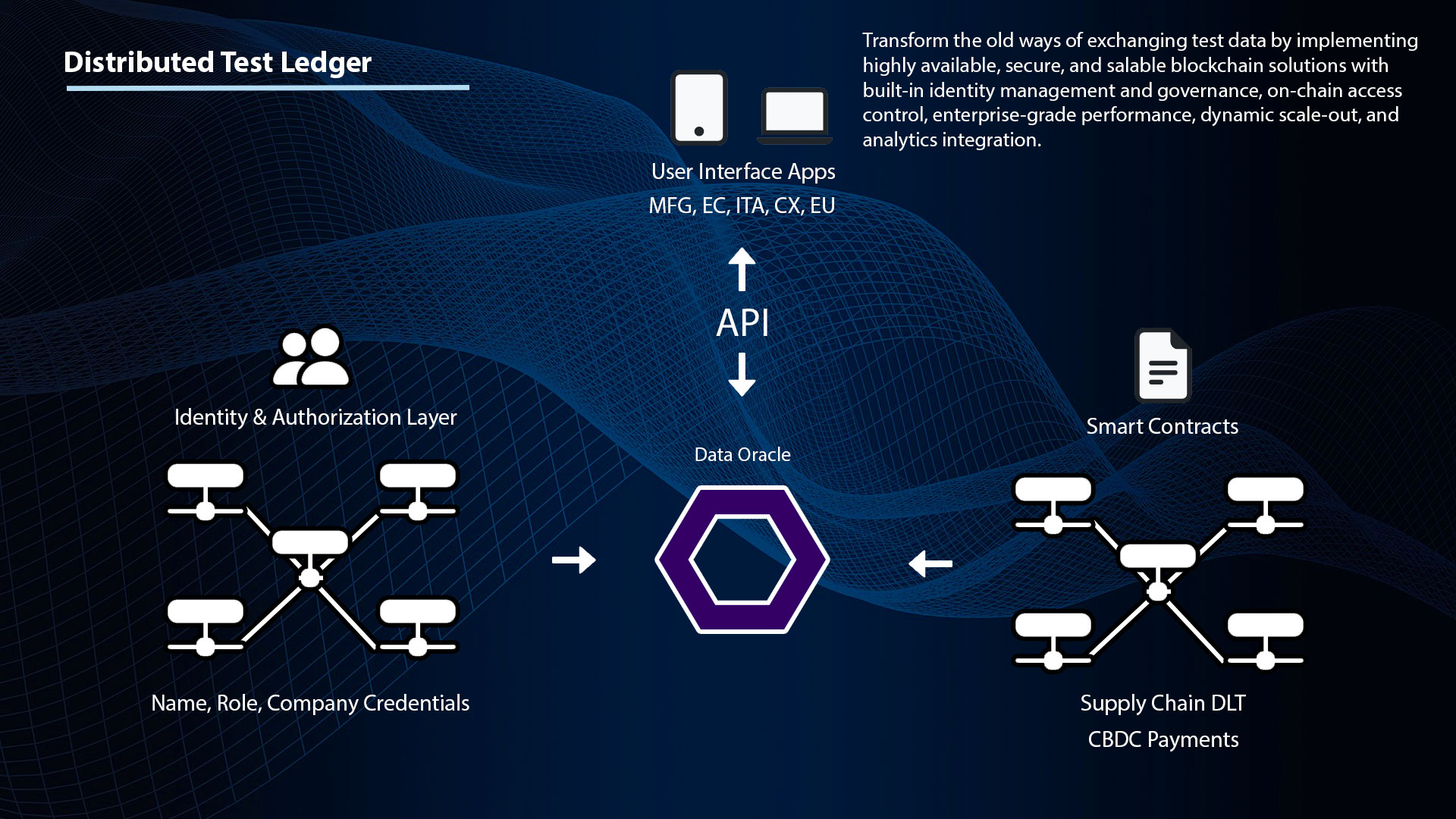
For testing and commissioning contractors operating in the fast-pace construction industry, inter-company transactions between clients, commissioning, and end-users can present enormous challenges. The current problem with testing and commissioning reports exist across the entire service chain, from data entry to delivery.
Data security tips for testing agencies and the clients they serve
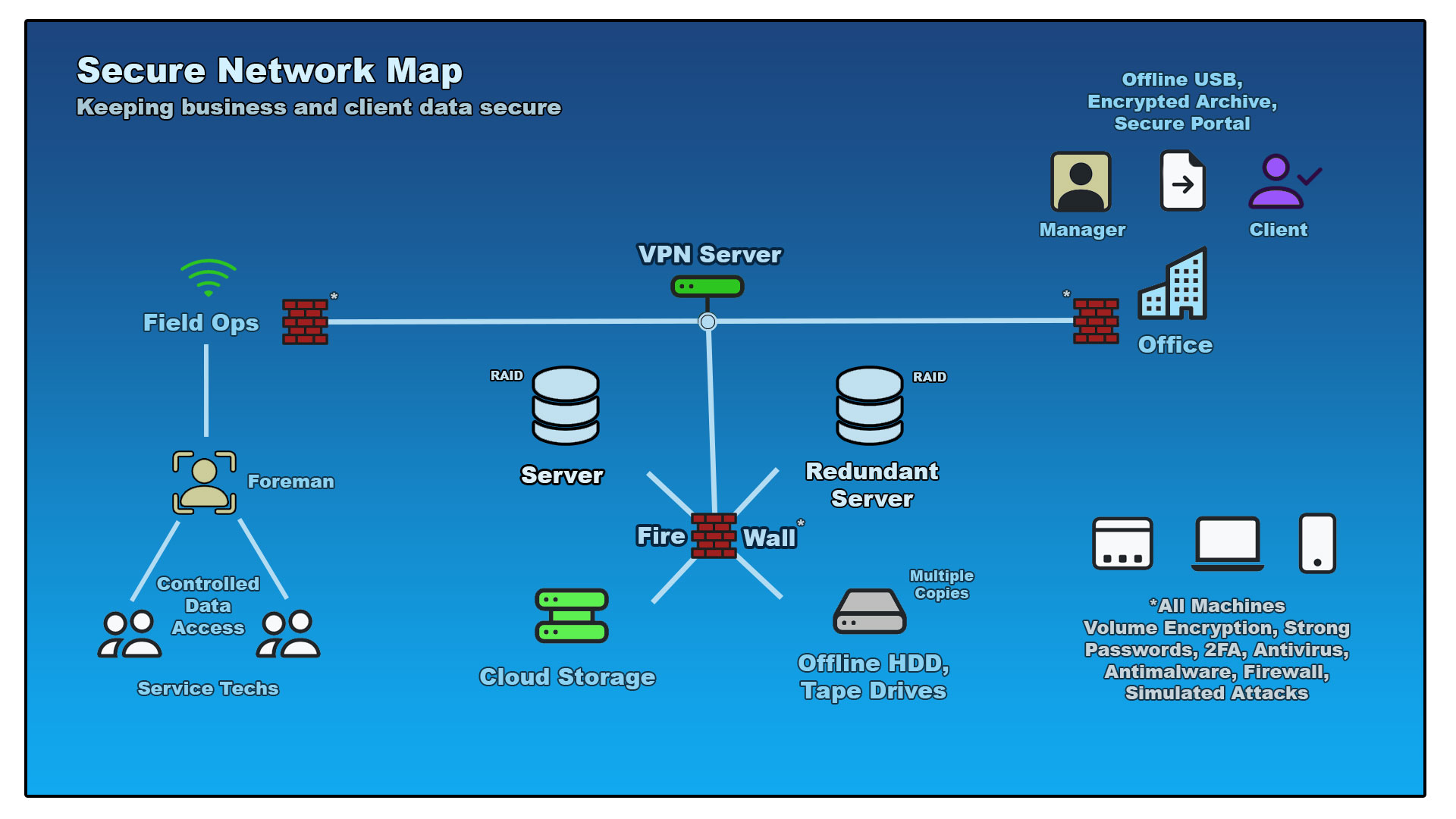
Automated systems require very little human intervention and oversight compared to the amount of labor required when doing it manually. We can already fly planes and drive cars with little human intervention, so why should electrical testing be any different?