A typical VPR system is built using several distinct layers, each with a specific role. In this article, we’ll break down those layers one by one and explain how they work together to form a complete virtual protection relay architecture.
When Replacement Takes Years: Proven Strategies for Transformer Longevity
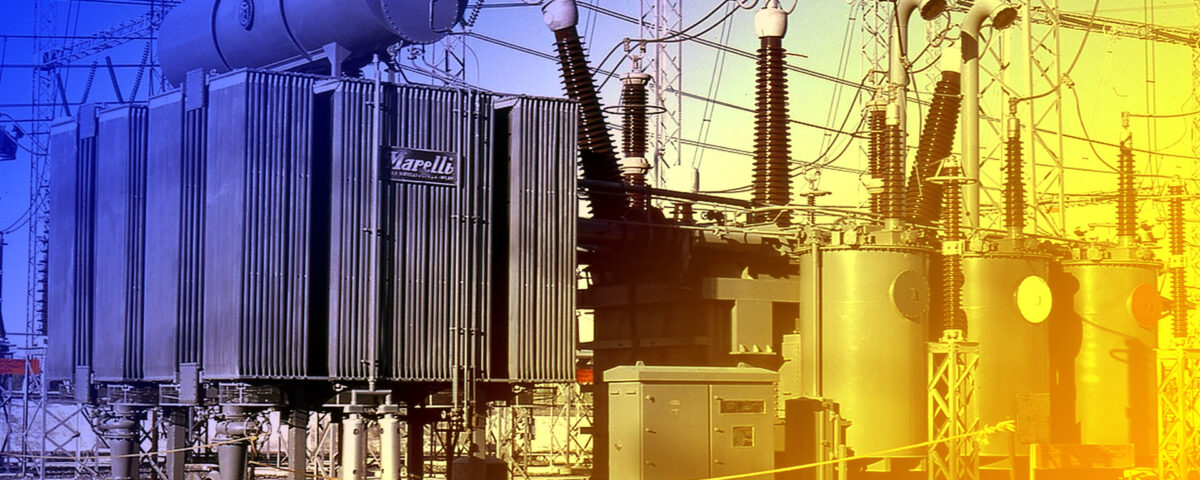
The rapid growth of data centers, combined with aging infrastructure and long equipment replacement timelines, has made transformer reliability more critical than ever. With power demand rising and new transformers taking years to procure, asset owners can no longer afford a reactive approach to maintenance. Protecting and extending the life of existing equipment is now a necessity, not an option.
Spotting Electrical Problems Before They Become Serious: A Standards-Based Approach

The Delta T method has long been used for routine infrared inspections, but it has some important limitations. Factors such as surface emissivity and heat reflections from nearby objects can influence infrared camera readings, potentially leading to incorrect conclusions.
The Lifecycle of Protective Relays: Aging and Maintenance Insights
Protective relays can wear down or fail in ways that are specific to their design. Understanding how these devices age (and how to properly maintain them) plays a key role in extending their lifespan and keeping your power system operating reliably.
How Accurate Test Results Drive Smarter Electrical Operations
Data isn’t just numbers—it’s a roadmap for smarter decisions. Keeping data clean and well organized allows system operators to spot patterns, track equipment health, and take decisive action.
Next-Generation Substation Technology: Centralized Protection and Control
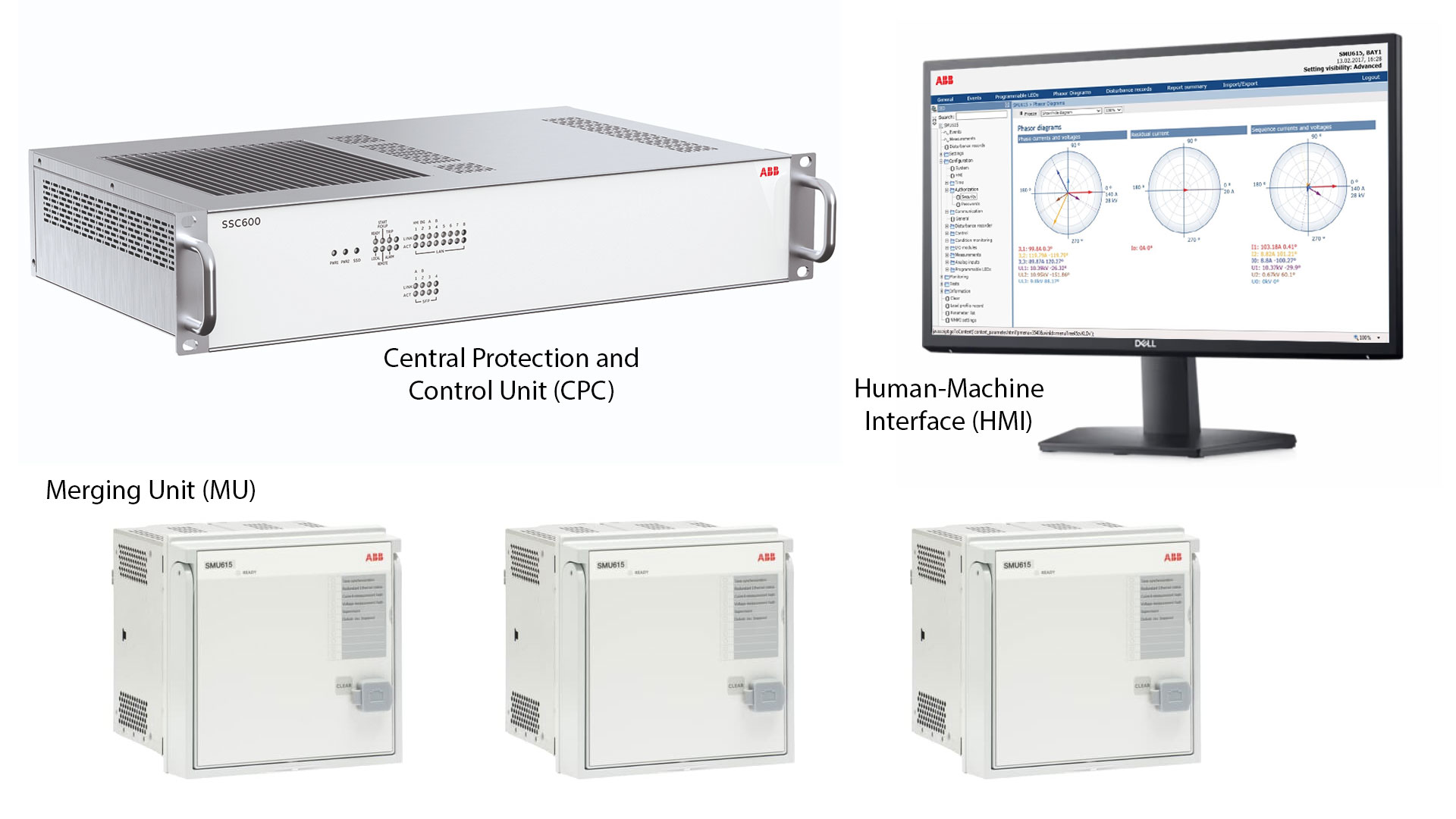
Centralized Protection and Control (CPC) systems represent a significant advancement in the management and safeguarding of electrical substations. By consolidating protection and control functionalities into centralized units, these systems enhance operational efficiency, improve system reliability, and streamline maintenance efforts.
Optimizing Infrared Scans: 5 Key Elements for Comprehensive Reporting
Advances in digital imaging have made cameras easier than ever to use, but infrared cameras are not suited to a simple “set and forget” approach. Effective thermographic inspections require careful setup and interpretation, with close attention to key factors that are often overlooked yet critical to accurate results.
Enhancing Reliability: The Role of Overhead Power Line Monitoring in Preventing Failures
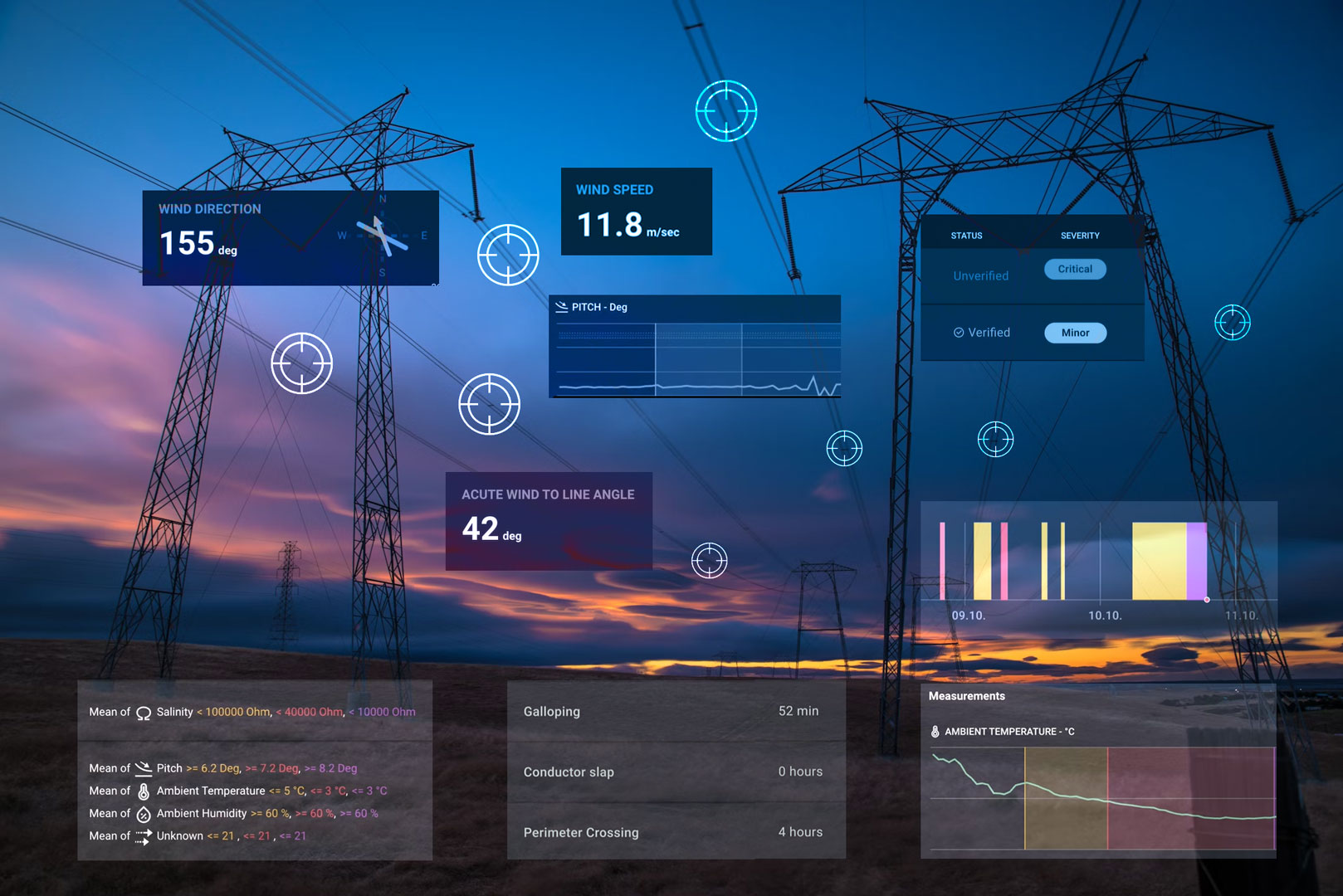
By leveraging cutting-edge sensors, communication systems, and data analytics, utilities can now effectively monitor and manage overhead power lines to ensure reliability and safety. Real-time monitoring capabilities enable the early detection and mitigation of issues such as galloping and vibration, safeguarding against structural failures and outages.
Electrical Maintenance: Where Do I Start? How to Craft an Effective Testing Program
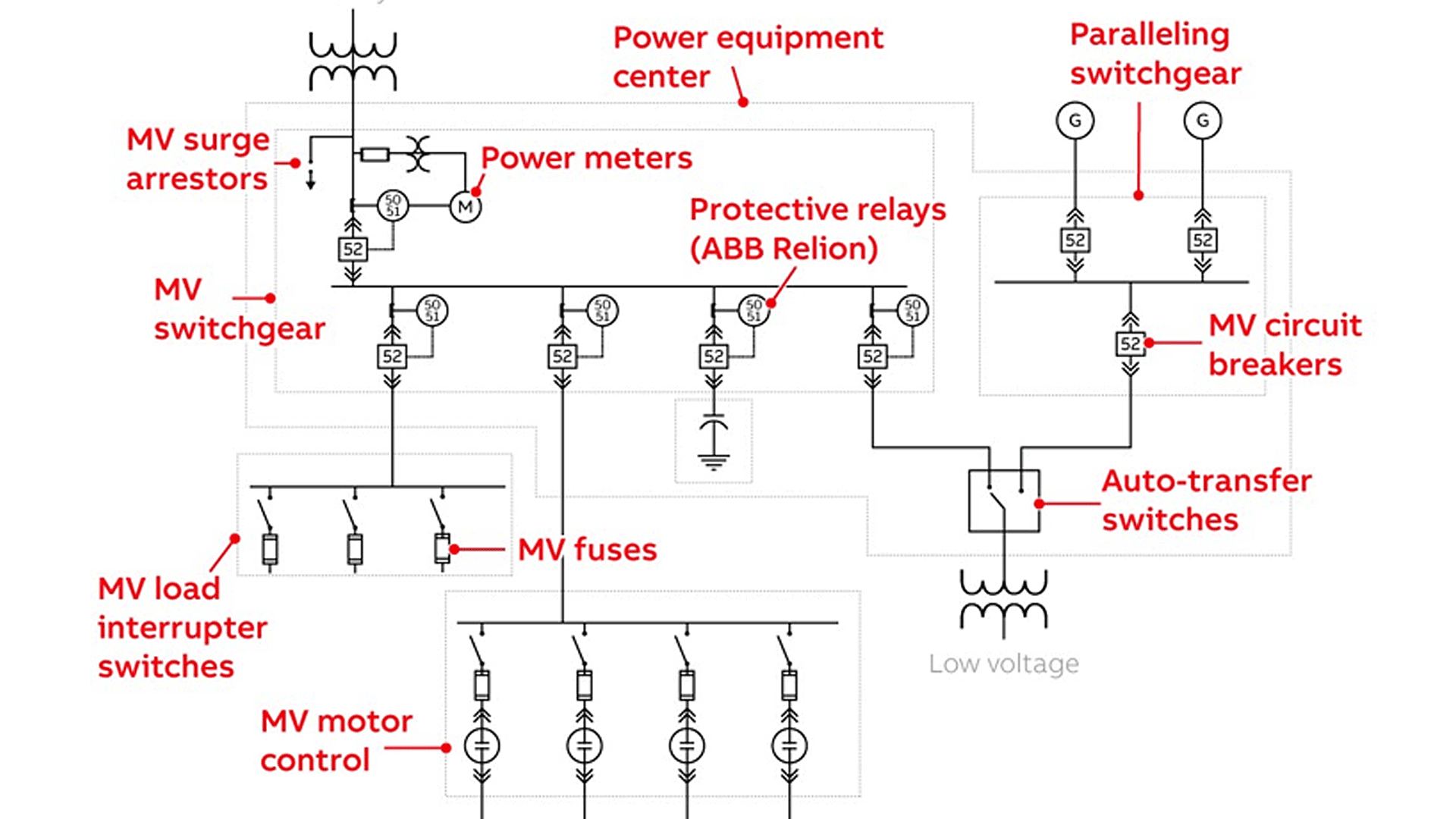
Facility managers are now required to create and carry out an effective electrical maintenance plan, but it can be an overwhelming task without the proper guidance. In this article, we will try to shed some light on effective maintenance practices and how you can get started right now with creating a plan for your facility.
Prolonging Transformer Service Life: 5 Key Factors to Consider
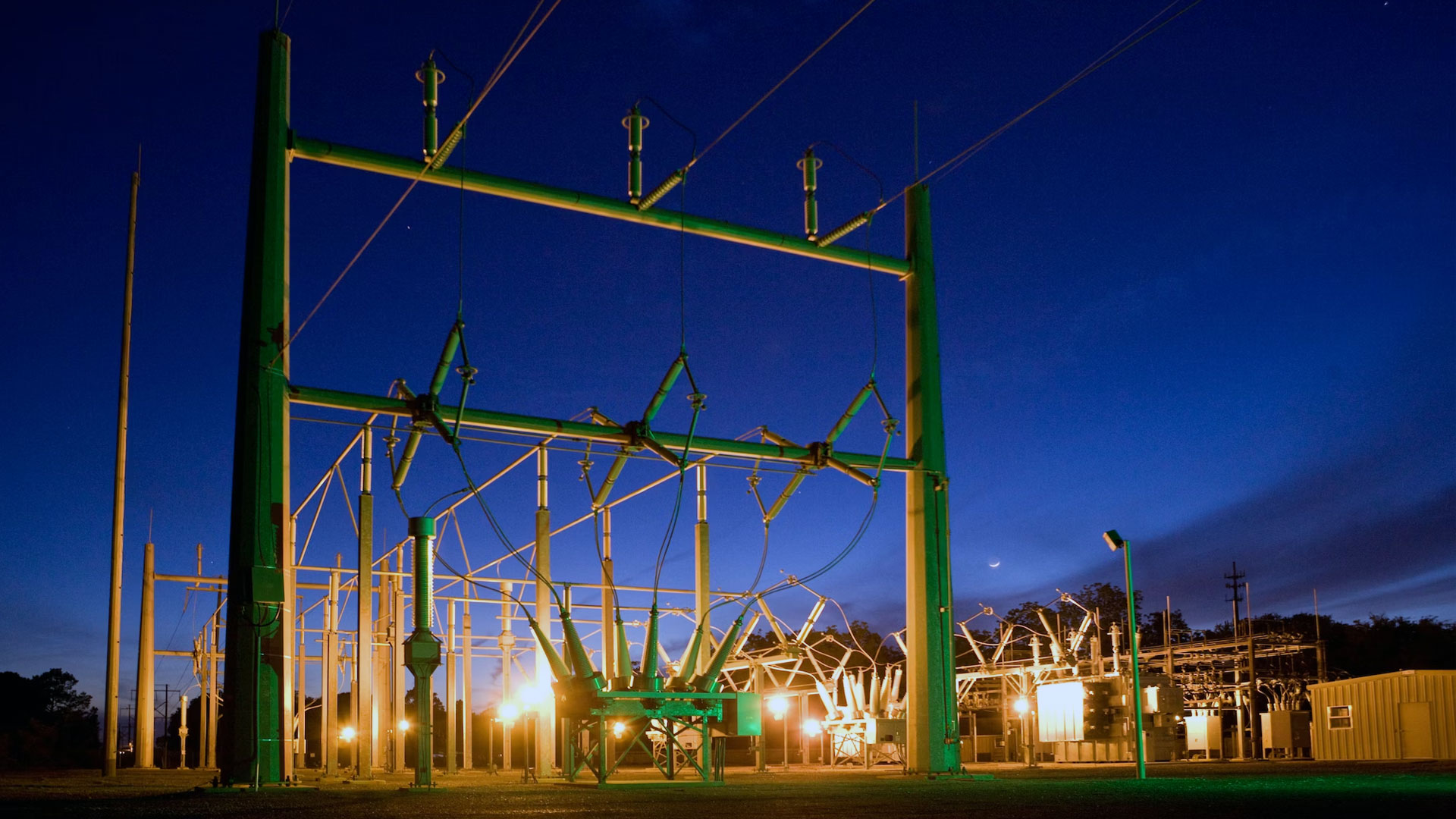
Transformers are indispensable components of our electrical infrastructure, ensuring the smooth flow of electricity across power systems. However, their reliable operation hinges on their ability to withstand various environmental and operational challenges.
Dry Ice Blasting: Next-Generation Cleaning Techniques for Electrical Distribution
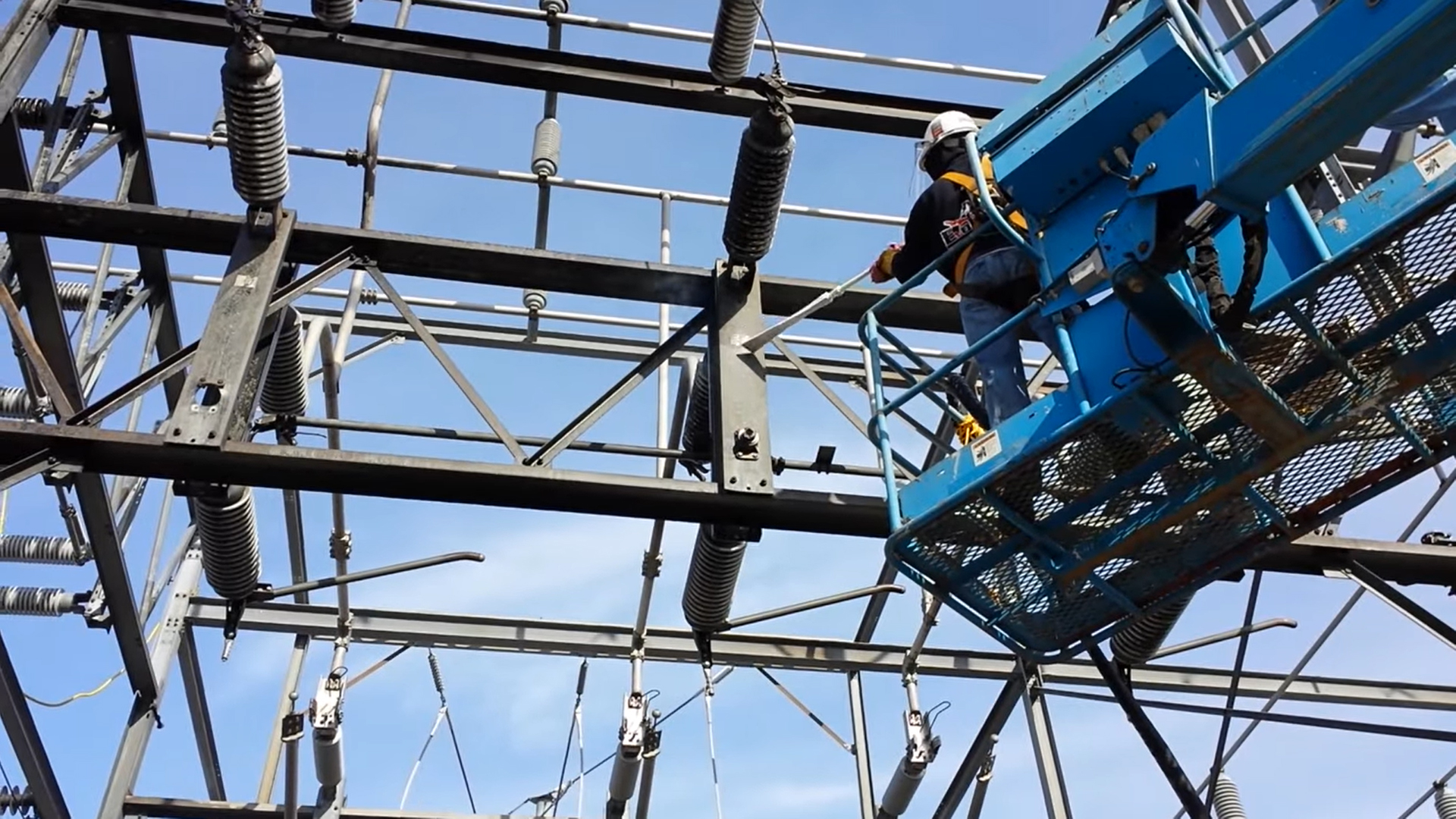
Dry Ice Blasting is an innovative alternative to traditional electrical equipment cleaning methods like sandblasting and high-pressure water washing. Unlike these older techniques, which can be environmentally harmful and risk creating conductive paths that damage sensitive equipment, Dry Ice Blasting offers a safer, cleaner solution that effectively removes contaminants without introducing moisture or abrasive residue.
Infrared Insights: The Path to Preventing Electrical Failure with IR Technology
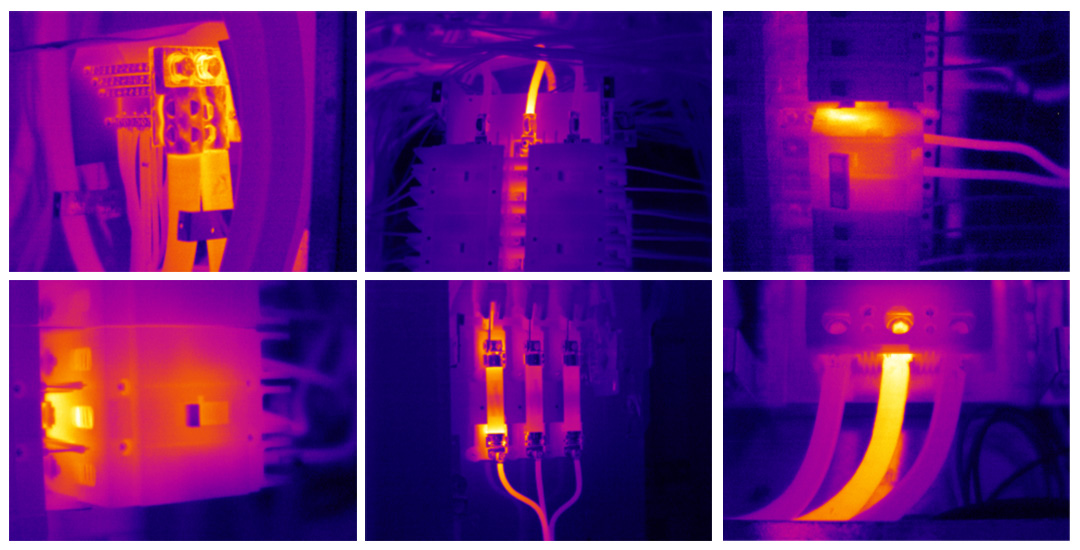
Thermography inspections have continuously been proven effective in identifying various hazardous situations in electrical distribution systems. By diagnosing issues accurately and taking prompt corrective action, significant losses due to equipment damage and company downtime can be prevented.
Demystifying NFPA 70B and NETA MTS: Which Guide Aligns with Your Electrical Maintenance Needs?
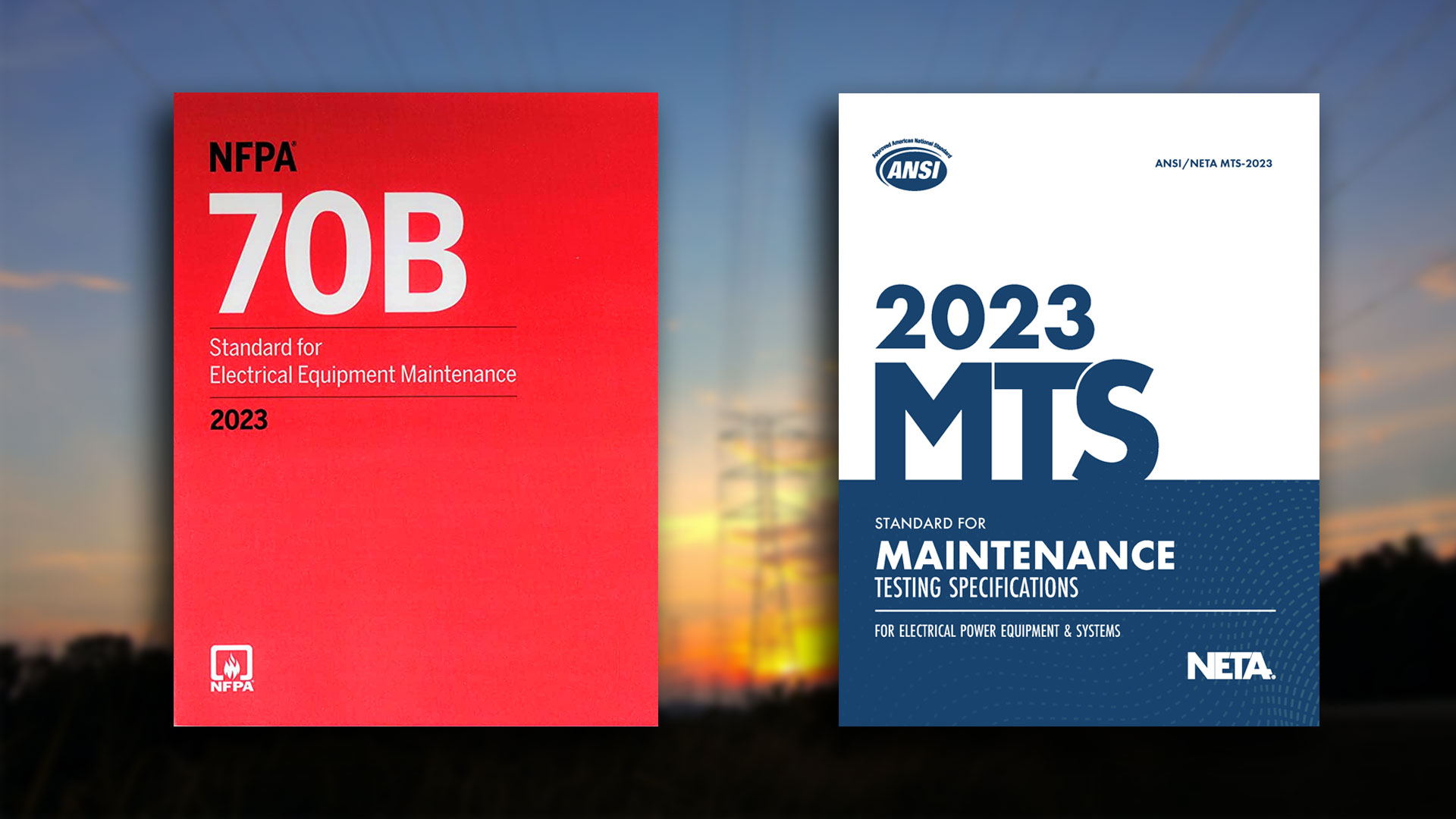
In this article, we will delve into the key disparities between NFPA 70B and NETA MTS, shedding light on their unique requirements, methodologies, and applications within the electrical power industry.